Optimize App Screenshots for Higher Conversion: Proven Tactics
Boost app conversions by optimizing store screenshots with data-backed testing. Leverage subscriber insights to enhance visual appeal and drive growth.

The first visual impression of your app on the app store is critical. App store screenshots serve as the gateway to user acquisition. In 2023, mobile apps are facing tighter competition, making it essential for growth operators to focus on optimizing these visuals to enhance conversion rates.
The Power of First Impressions
Research indicates that users spend an average of 5-7 seconds scanning an app’s screenshots before deciding to explore further or move on. This is where your app’s visual narrative must captivate. Screenshot optimization can increase your app's conversion rates by up to 30%, a significant lift when scaling user acquisition.
To maximize this window of opportunity, ensure your screenshots communicate the app's value proposition clearly and immediately. Highlight primary features and demonstrate unique selling points with succinct text overlays.
Testing Creative Variations
Successful app growth strategies emphasize the need for rigorous creative testing. Use A/B testing to evaluate different screenshot sequences and layouts. Testing allows you to understand user preferences and make data-driven decisions. A platform like RevenueCat, while primarily focused on subscription management, can provide insights into how different subscriber cohorts respond to visual changes.
When testing, consider these approaches:
- Value Proposition Clarity: Test screenshots that clearly articulate your app’s core benefits.
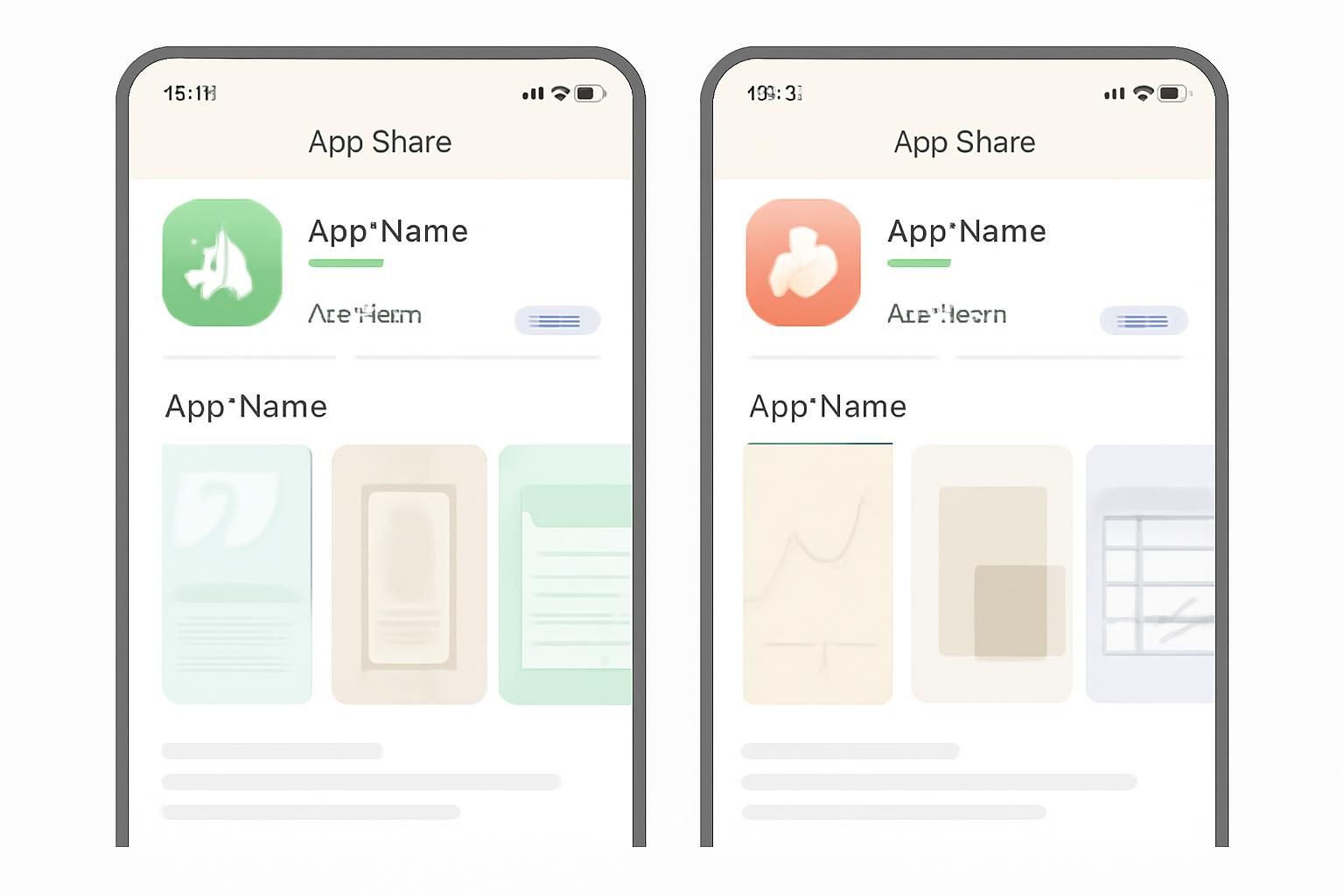
- Feature Highlighting: Rotate prominent features across different screenshots to measure user interest.
- Use of Colors and Themes: Experiment with color schemes that align with your brand's identity while capturing attention.
- Cultural Localization: Adapt visuals to resonate with regional audiences, a strategy that can lead to increased conversions in diverse markets.
- Sequential Storytelling: Use sequential screenshots to guide users through the app narrative, leading them towards a call-to-action.
Leveraging Analytical Tools
The mobile app ecosystem is rich with tools to enhance growth strategies. Apart from testing platforms, integrating analytical tools like App Annie or Sensor Tower can offer insights into competitor strategies and market trends. These insights could guide your visual optimization strategies, keeping them aligned with market expectations and user behavior.
For instance, if analytics show a surge in a specific feature's usage, reflecting this in your screenshots could attract similar interest from potential users. Understanding competitor visuals that perform well in the marketplace can also provide directions for your creative endeavors.
The 2026 Takeaway
As mobile growth evolves, the need for precision in app store optimization will intensify. Screenshots, often underestimated, are pivotal in the conversion journey. Continuously iterating with A/B testing, backed by robust analytics, will be non-negotiable. App growth leaders must integrate insights from tools like RevenueCat to refine their visuals, ensuring the app stands out in a crowded digital landscape. By 2026, those who master these tactics will not just survive but thrive, realizing substantial conversion gains in an increasingly competitive market.