Dominate App Growth with Strategic Review Management
Implementing a smart review strategy boosts your app's growth by improving visibility and user trust through structured feedback processes.

A robust review strategy is a foundational component of sustained app growth. Apps with higher ratings and a steady stream of reviews rank better in app stores, enhancing visibility and driving more downloads. However, managing reviews effectively requires a strategic approach.
Cultivate User Engagement
The first step in an effective review strategy is cultivating user engagement. Encouraging users to leave feedback should be seamlessly integrated into the user experience. Timing matters—prompting users for reviews after positive interactions or successful use cases increases the likelihood of receiving higher ratings. In fact, SplitMetrics data indicates that apps asking for reviews during peak satisfaction moments see a 20% increase in positive ratings.
Utilizing tools like SplitMetrics can enhance this process by A/B testing different request timings and placements to optimize engagement. For instance, experimenting with in-app prompts or follow-up emails can drastically alter user feedback dynamics.
Achieving Consistent Review Flow
Consistency in review flow is crucial. Apps that receive a steady influx of reviews appear more relevant and active on store platforms. This can be achieved by:
- Regularly updating the app, prompting users to experience new features and share feedback.
- Engaging with users on social media, encouraging them to discuss updates and contribute reviews.
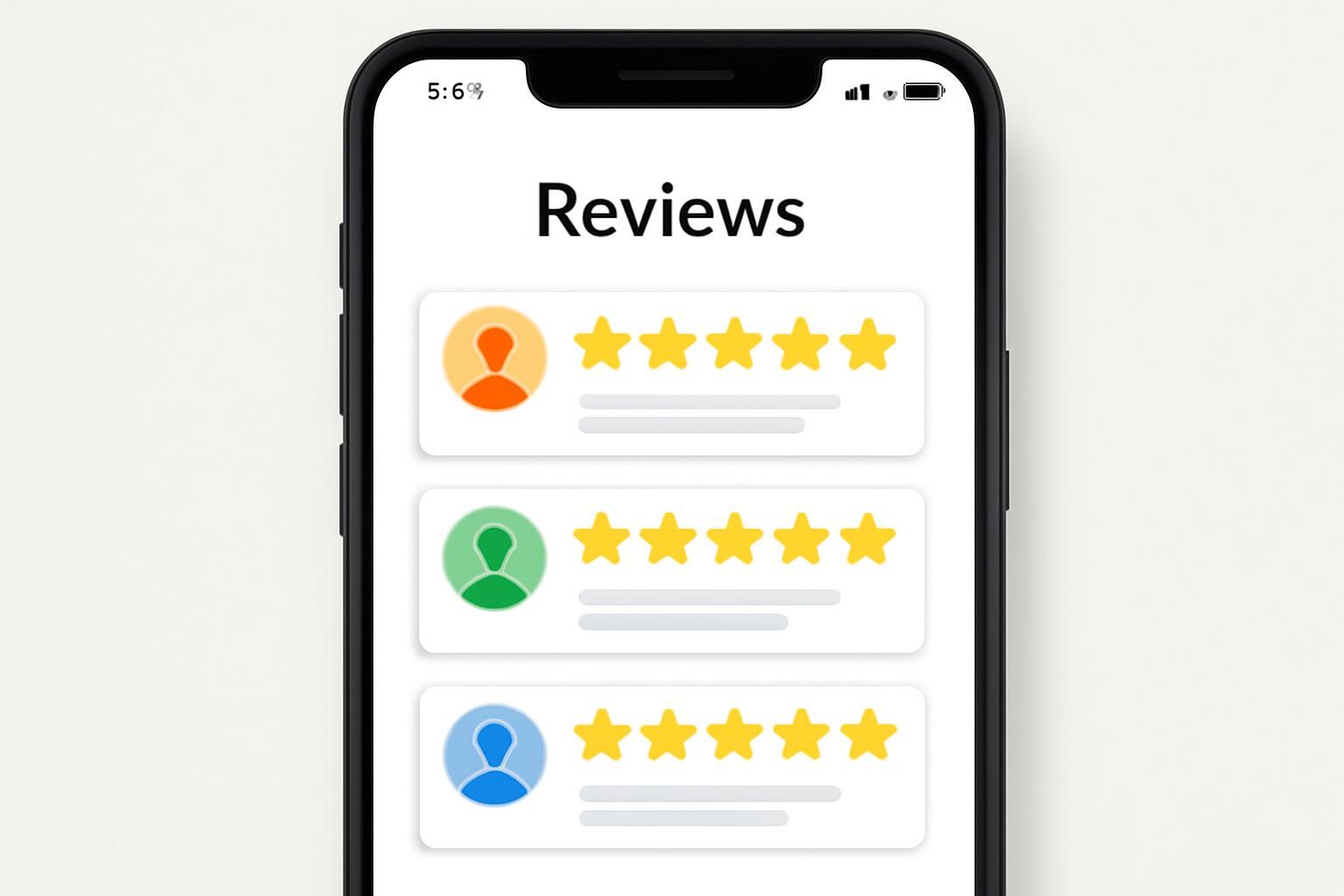
- Implementing loyalty programs rewarding users for consistent engagement and feedback.
A tool like Appbot can provide insights into sentiment trends over time, helping identify areas for improvement and ensuring strategies are data-driven.
Managing Negative Feedback
Running an app inevitably involves dealing with negative reviews. Handling these with a strategic approach not only mitigates potential damage but can also turn a negative into a positive. Respond promptly and professionally to complaints, showcasing a commitment to resolving issues. Prioritize these reviews in updates, as addressing user concerns often results in updated, more favorable feedback.
A study by Apptentive shows that 69% of users who receive a response from a developer change their negative review to a positive one. This reflects the importance of active review management in enhancing app reputation.
The 2026 Takeaway
Heading into 2026, app developers must prioritize strategic review management. Leveraging tools like SplitMetrics for A/B testing can optimize review acquisition timing, while sentiment analysis tools such as Appbot can guide data-driven improvements. Consistently engaging with users and addressing feedback not only bolsters app visibility but also cultivates a loyal user base. Ensuring a steady, positive review flow is key to dominating app growth in the competitive marketplace.