Master Mobile Keyword Research for Superior App Growth in 2026
Leverage data-driven keyword strategies for mobile apps, incorporating Firebase insights to dominate search rankings and boost visibility in 2026.

Achieving mobile app growth in 2026 hinges on mastering keyword research—a critical component of App Store Optimization (ASO). Precise keyword targeting can enhance visibility, drive downloads, and ultimately fuel revenue. Here’s how to fine-tune your strategy.
Understanding User Intent
User intent is pivotal in determining which keywords will be most effective. Focusing solely on popular keywords can be misleading. Instead, identify terms that align with your app’s core functionality and user needs. For instance, high-ranking keywords for a meditation app might include 'stress relief techniques' rather than just 'meditation'. Utilize tools like Google Trends to analyze search intent and align your keyword list accordingly.
Understanding user intent allows you to create a keyword strategy that reflects real user behavior. Pay attention to long-tail keywords—they often have less competition and a higher conversion rate. Consider these as your secret weapon for penetrating niche markets.
Data-Driven Keyword Selection
Effective keyword selection isn't guesswork; it's data-driven. Use analytics tools like Firebase to monitor user interactions and uncover effective keywords. Firebase’s Analytics not only provides insights into user behavior but can also track keyword performance over time. This data is invaluable in refining your keyword list to focus on what drives actual engagement and retention.
Additionally, analyze competitor keywords. Tools like Ahrefs can provide a snapshot of what your competition is targeting, offering opportunities to capitalize on overlooked areas.
Iterative Testing and Optimization
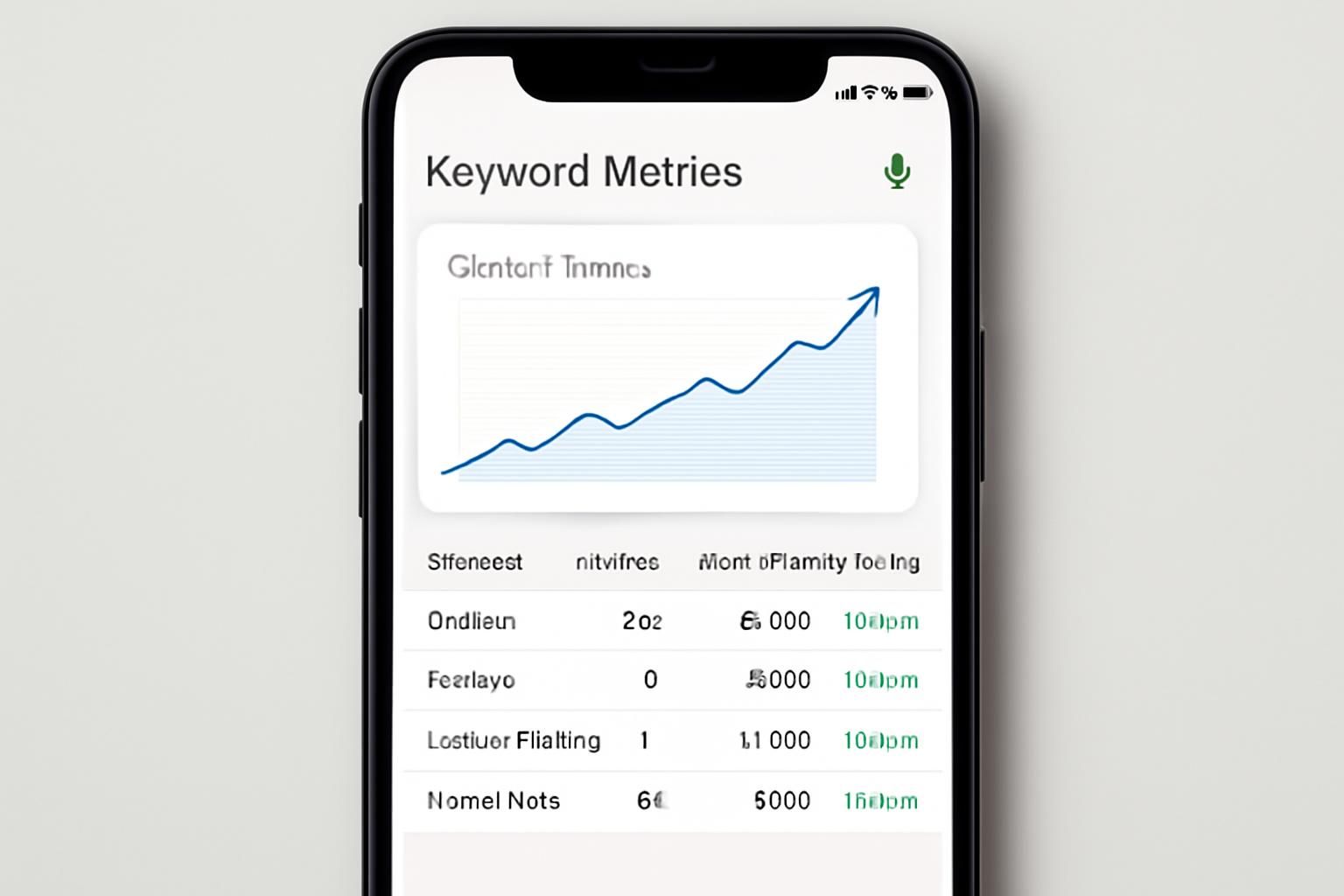
Keyword strategy is not static. Iterative testing is crucial for maintaining relevance and optimizing for market shifts. Implementing A/B testing on your keywords will help identify which terms lead to higher visibility and downloads.
- Identify a list of potential keywords using data insights.
- Implement these keywords in your app’s metadata, including the title, subtitle, and keyword field.
- Use A/B testing to measure changes in download rates and user retention.
Each cycle of testing and analysis provides actionable data, allowing you to continually refine your strategy for maximum impact.
Leveraging Firebase for Keyword Insights
Firebase stands out as a robust tool for tracking and optimizing keyword performance. By integrating Firebase, you can collect valuable data on user acquisition and engagement metrics tied to specific keywords. Use Firebase’s Crashlytics to ensure that your app’s performance remains stable, even as you experiment with keyword changes.
Firebase Predictions can also be leveraged to forecast user behavior trends, giving you a leg up in keyword planning. Predictive insights enable you to stay ahead, adjusting your strategy in anticipation of shifts in user demand or behavior.
The 2026 Takeaway
Mastering mobile keyword research in 2026 requires a strategic, data-driven approach. By focusing on user intent, leveraging tools like Firebase, and maintaining a robust cycle of testing and optimization, your app can achieve superior visibility and growth. As competition intensifies, those who harness these strategies will have the competitive edge necessary to dominate the app store rankings.