Maximize In-App Purchase Revenue with Data-Driven Pricing
Leverage data-driven strategies to optimize in-app purchase pricing and boost app revenue. Learn practical techniques to implement in 2026.
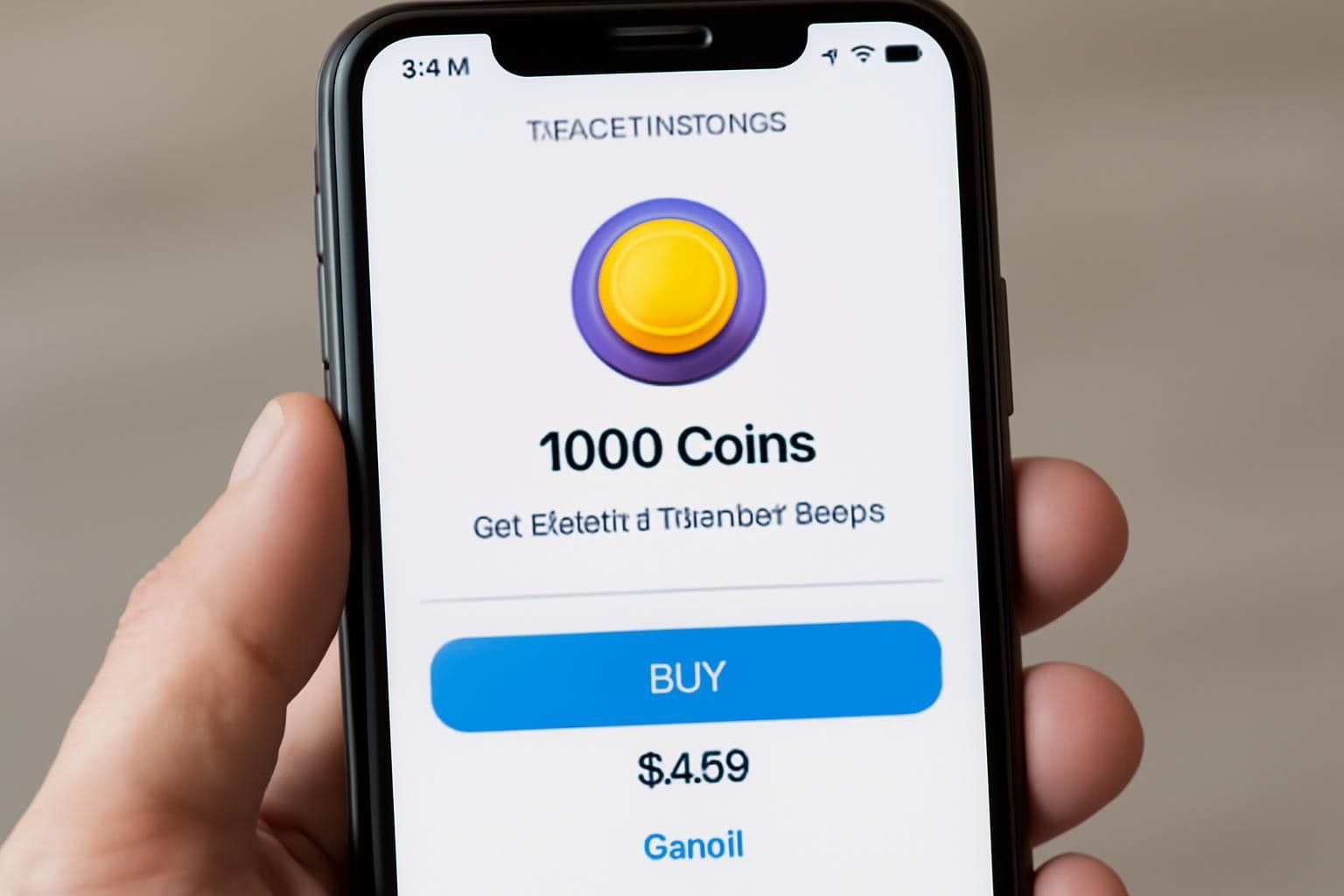
Optimizing in-app purchase (IAP) pricing is a critical component in maximizing mobile app revenue. A strategy that balances user engagement and revenue generation can significantly boost profitability. As app operators, understanding your users’ willingness to pay and adjusting prices accordingly is not optional but necessary in the competitive app marketplace.
Understanding Price Sensitivity
Price sensitivity varies greatly among app users. Identifying these variations allows you to tailor pricing strategies that can convert more users without alienating the price-sensitive segment. Analyze user segments by employing tools like Mixpanel to track user behavior and purchasing patterns. For instance, if a significant portion of users drop off at your higher price tiers, consider testing lower price points or offering limited-time discounts to capture this group.
Price elasticity is another aspect to consider. It measures how changes in price impact the quantity of goods sold. The key is to find the price point where revenue is maximized, which usually requires A/B testing various pricing strategies.
Applying Behavioral Economics in Pricing
Behavioral economics offers insights into how users perceive pricing, which can be pivotal in setting effective IAP prices. Concepts such as anchoring—where users' perceptions are influenced by initial pricing information—can be leveraged by setting a higher reference price before presenting the actual price tiers.
For example, displaying a higher “regular” price that is discounted to the actual selling price can increase perceived value. Additionally, offering bundles can encourage higher spend per transaction. A compelling bundle can often lead to greater revenue than selling individual items, as users perceive greater value for money.
![Graphical chart showing revenue growth trends, muted illustration style]
Leveraging Real-Time Data for Pricing Adjustments
In today's fast-paced market, relying on static pricing models is a disadvantage. Dynamic pricing, adjusted in real-time based on user data and market conditions, can substantially increase your app’s lifetime value. Utilizing real-time analytics platforms like Mixpanel helps in tracking user interactions and identifying patterns that signal when adjustments are necessary.
- Monitor Competitive Pricing: Ensure your prices remain competitive by regularly analyzing competitors’ pricing strategies.
- Adjust Prices Based on Demand: Use demand forecasting to understand peak purchase times and adjust prices accordingly.
- Implement Seasonal Pricing: Capitalize on holidays and special events by offering seasonal discounts and promotions.
The 2026 Takeaway
In 2026, successful apps will be those that master the art of pricing based on comprehensive data insights. Leveraging detailed user analytics, understanding psychological pricing tactics, and adapting to market dynamics will be essential for maximizing in-app purchase revenue. Operators must refine their pricing strategy continuously, ensuring it aligns with user expectations and market trends to stay ahead in an ever-evolving digital landscape.