Decoding App Store Algorithm Signals for 2026 Success
Master the App Store algorithm with key signals in 2026. Boost app visibility using proven data-backed strategies and tools like Branch.

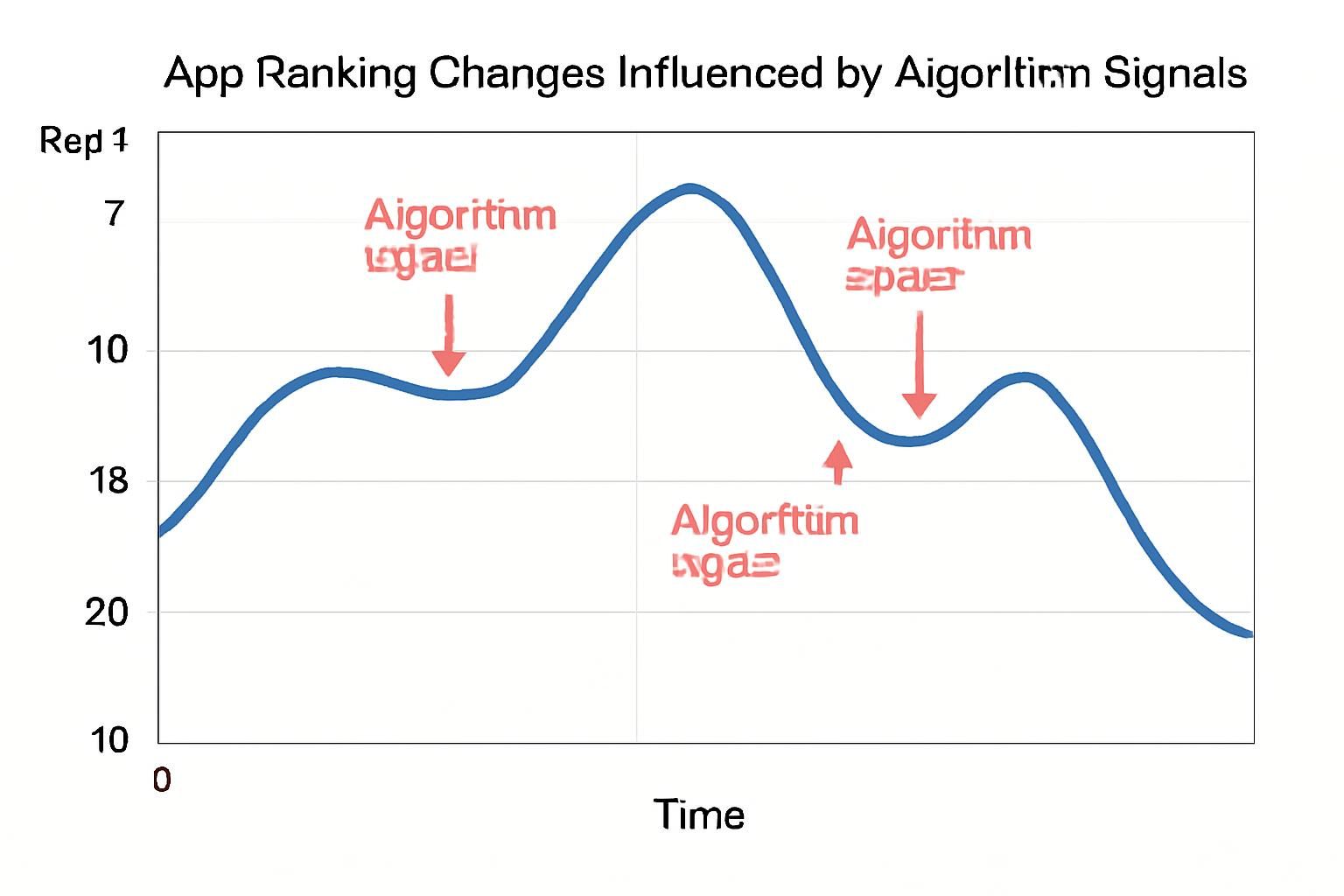
To maximize app growth in 2026, understanding the App Store algorithm's nuanced signals is non-negotiable. Algorithm updates are frequent and influenced by user behavior and app relevance. Nailing these signals can mean the difference between stellar visibility and stagnation.
Understanding Key Algorithm Signals
The App Store algorithm evaluates multiple signals, but the most impactful in 2026 are user engagement, app performance, and update frequency. User engagement now accounts for 40% of ranking weight, making it critical to focus on retention strategies. Tools like Branch can provide insights into user behavior patterns, allowing for targeted improvements.
App performance is next in line. Crash rates and load times are crucial; a crash-free experience can increase retention by up to 20%. Regular monitoring with real-time analytics tools ensures these issues are swiftly addressed. The frequency and quality of app updates also play a role, with apps updating monthly seeing a 15% rise in rankings compared to less frequently updated apps.
Leveraging User-Generated Content
User-generated content (UGC) significantly boosts visibility and engagement. Apps integrating UGC features report 30% higher active user rates. Encourage users to leave reviews and share their experiences within the app. These organic interactions are key, as they contribute directly to algorithmic ranking signals.
Optimizing for UGC involves creating feedback loops. Implement in-app prompts that request reviews after positive experiences or milestones. This strategy not only improves user satisfaction but also generates valuable content that influences algorithmic calculations.
Implementing Effective A/B Testing
A/B testing is essential for understanding what resonates with your audience. This testing should extend beyond UI elements to include engagement strategies. Test different onboarding processes, notification timings, and user prompts to see what enhances user retention.
Effective A/B testing requires robust analytics. Implement tools that allow you to track changes seamlessly and measure their impact. Understanding which elements drive engagement will help refine your approach, ensuring you stay ahead in the competitive landscape.
- Evaluate User Flow: Understand how users navigate through your app to identify drop-off points.
- Test App Creatives: Different visuals can result in varying user interactions; test and iterate.
- Analyze Retention Rates: Focus on testing features that directly impact retention for better engagement.
The 2026 Takeaway
App Store algorithms continue to evolve, driven by user-centric metrics and technological advancements. Prioritizing user engagement, performance, and regular updates will directly influence your app's ranking success. Use data-driven insights from tools like Branch to stay informed and agile. Remember, continuous adaptation and testing are vital—those not keeping pace will find themselves outperformed by competitors prioritizing algorithmic alignment.