Localization Boosts App Store Growth: Key Strategies for 2026
Unlock App Store growth by leveraging localization strategies, including tools like Storeboost, to enhance app discoverability and conversion rates globally.
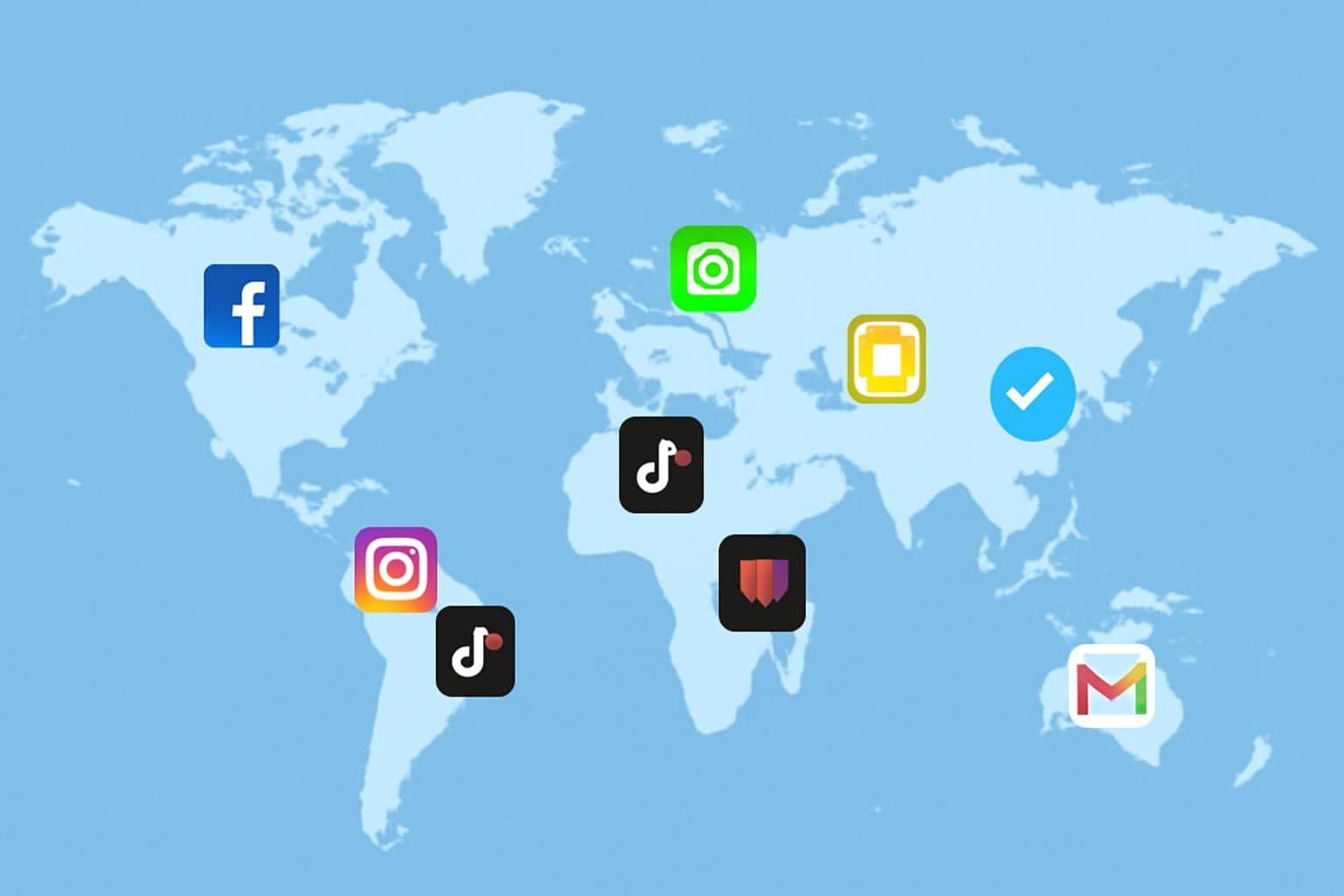
Localization isn't just a checkbox in your App Store strategy—it's a growth catalyst. As of 2023, apps with localized listings saw 26% higher conversion rates compared to those without. With over 70% of app users preferring native language apps, ignoring localization means missing out on significant market share.
Understanding the Impact of Localization
Localized app listings enhance visibility and conversion by aligning with users' native languages and cultural contexts. For instance, a study found that apps in the top 100 in the U.S. doubles their downloads when localized for European markets. The principle is clear: the more languages you support, the broader your reach.
Localization impacts not only language but also cultural nuances. Region-specific holidays, idioms, and imagery can all influence user engagement. Data shows that apps with culturally relevant marketing messages have a 40% higher engagement rate.
Data-driven Localization Strategies
Efficient localization is underpinned by rigorous data analysis. Tools like Storeboost can streamline this process by providing insights into regional search trends and user preferences. Storeboost's analytics can help prioritize which languages to localize into first, focusing on markets with the highest potential ROI.
Using Storeboost, you can:
- Identify top-performing keywords in multiple languages.
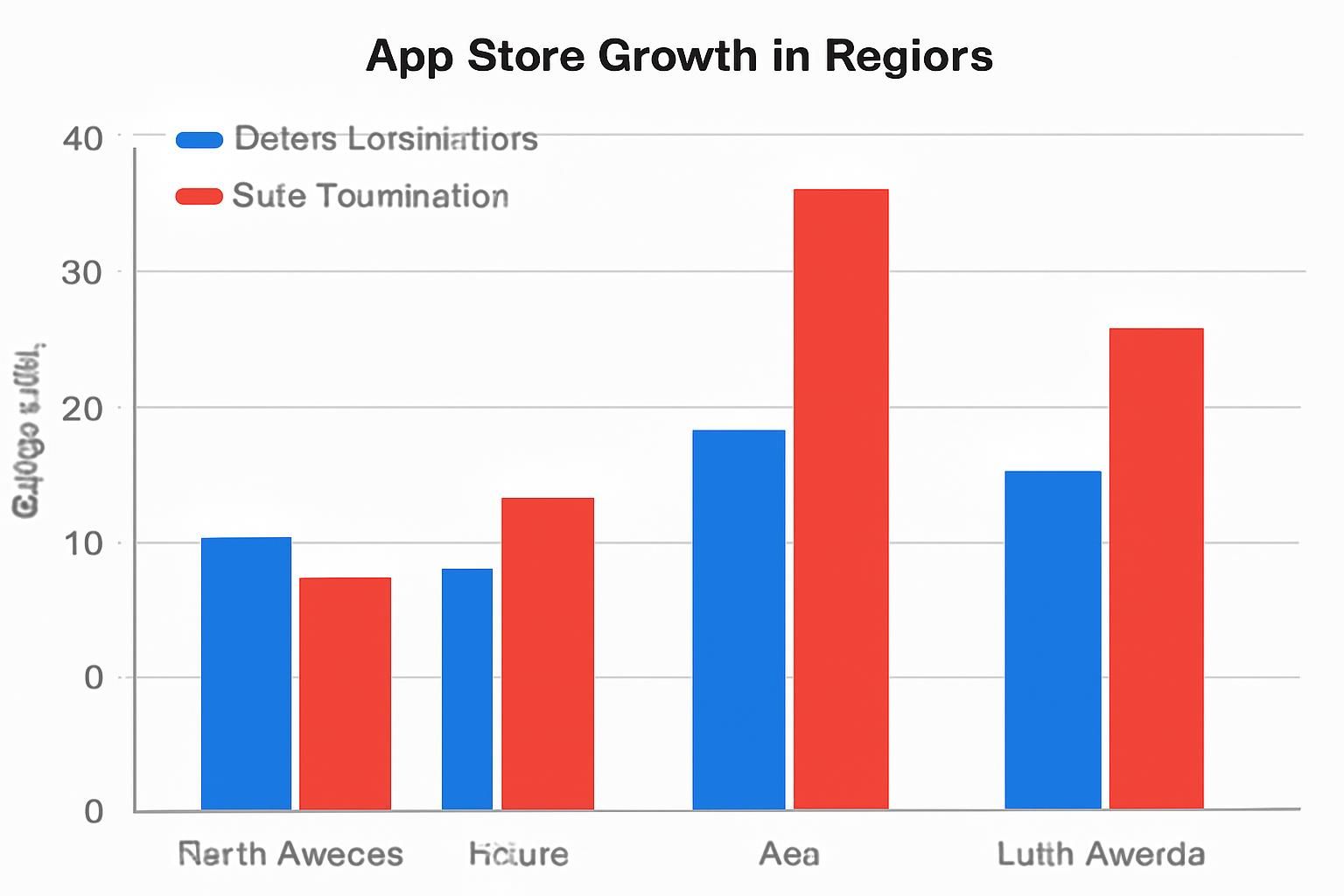
- Analyze regional competitors and adapt strategies accordingly.
- Optimize app store metadata for better localized SEO.
Moreover, A/B testing localized content helps refine your approach, ensuring maximum impact in each market.

Overcoming Localization Challenges
Localization isn't without its challenges. Common obstacles include balancing cost and quality, managing technical constraints, and ensuring consistency across markets. Automated translation tools can expedite initial translations but often miss contextual nuances, leading to user frustration.
Invest in professional localization services for critical languages, especially in high-stakes markets like China or Japan, where cultural nuances significantly drive consumer behavior. Establish a continuous feedback loop with users in localized markets to refine and optimize content.
The 2026 Takeaway
As we approach 2026, the app market's competitive landscape demands strategic localization more than ever. Ignoring localization is no longer an option if you aim for global growth. Leverage tools like Storeboost to optimize your localization strategy, ensuring your app not only reaches but resonates with users worldwide. Prioritize quality over quantity in your localization efforts, and your app will stand out in increasingly crowded marketplaces.