Mastering In-App Purchase Pricing for Optimal Revenue Growth
Leverage strategic in-app purchase pricing to maximize revenue and user retention. Practical insights for indie founders and growth leads.
In-app purchases (IAPs) have become a cornerstone of mobile app monetization, yet many developers leave revenue on the table by failing to optimize pricing strategies. A strategic approach to IAP pricing not only boosts revenue but also enhances user retention and satisfaction.
Know Your Market and Competitors
Understanding the competitive landscape is critical. Analyze similar apps in your space to gauge standard pricing models. This reconnaissance is not about mimicking but identifying gaps or opportunities your competitors might be missing. Tools like App Annie can provide insights into competitor pricing structures and performance metrics to help you make informed decisions.
Segment Your Audience and Tailor Pricing
One-size-fits-all pricing fails to account for the diverse needs and willingness to pay within your user base. Segment your audience based on demographics, behavior, and engagement levels. Implementing tiered pricing or limited-time offers for high-value users can lead to significant revenue boosts. RevenueCat offers robust analytics to track different pricing tiers' performance, enabling data-driven adjustments.
Test and Iterate
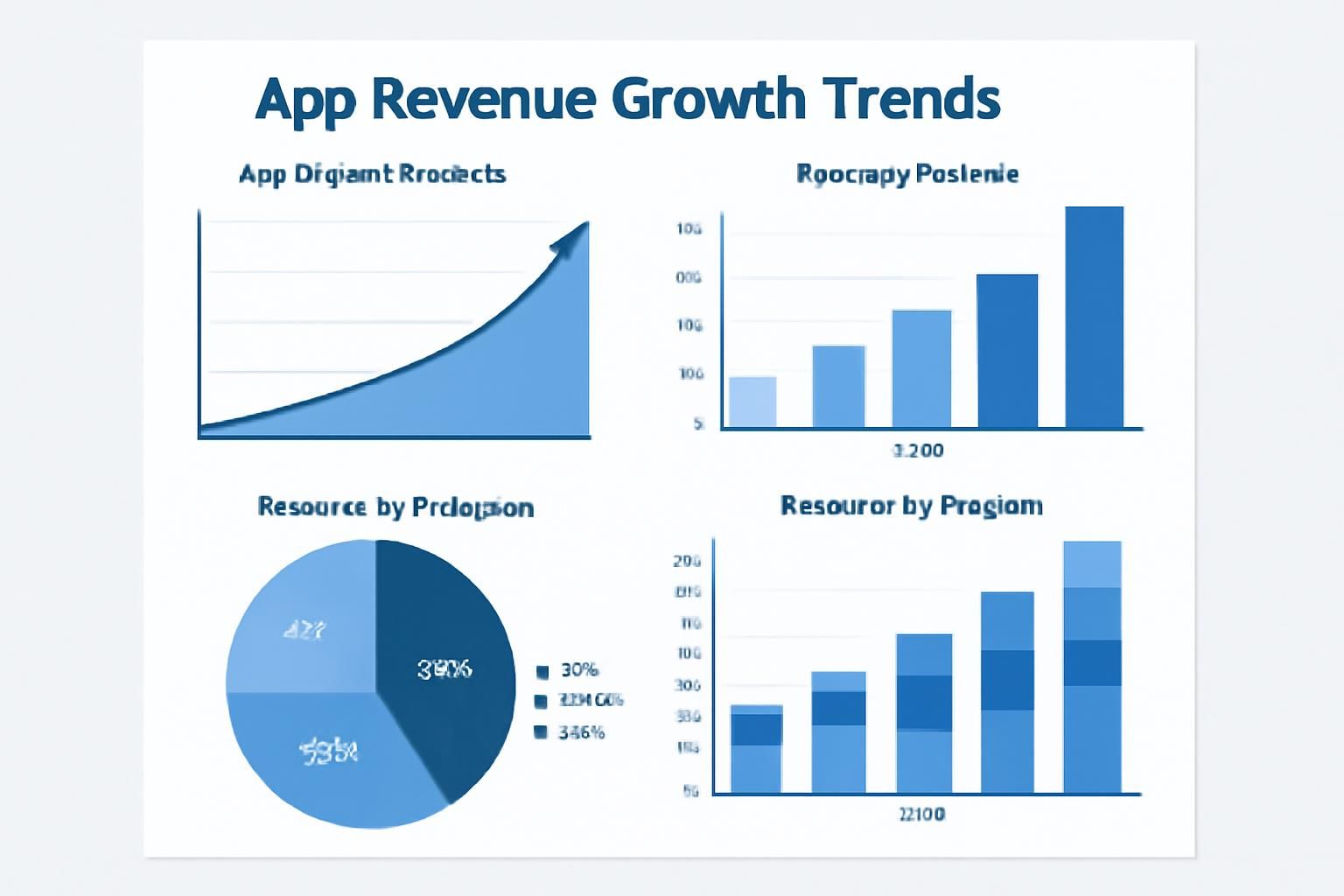
A/B testing is indispensable in refining your pricing strategy. Test different price points, bundle offers, and promotional discounts to discover what resonates best with users. Ensure your tests are statistically significant by reaching a large enough sample size, and make decisions swiftly to capitalize on successful experiments. Consider using a tool like Optimizely for seamless experimentation without disrupting the user experience.
Monitor and Adjust for Market Changes
The digital landscape is dynamic. Pricing strategies effective today might not yield the same results tomorrow. Regularly revisit and analyze your pricing strategy in response to market changes, user feedback, and app updates. Use analytics tools to track KPIs such as conversion rates and customer lifetime value. This ongoing adjustment process ensures your pricing remains competitive and relevant.
- Stay informed about industry trends
- Regularly review competitor pricing updates
- Track user feedback on pricing changes
The 2026 takeaway
In 2026, the apps that thrive will be those that continually refine their in-app purchase strategies in response to evolving user expectations and market dynamics. By leveraging data insights, competitive analysis, and continuous testing, you can craft a pricing strategy that not only maximizes revenue but also strengthens user engagement and retention. Stay agile, be informed, and always test assumptions.