Maximize iOS App Subscription Revenue with Proven Tactics
Enhance your iOS app's subscription revenue by leveraging key monetization strategies, based on data-driven insights and industry tools like data.ai.

iOS app subscription revenue has become a pivotal focus for app developers, with subscription-based apps witnessing growth of over 30% year-over-year since 2022. Success in this space hinges on mastering the subscription funnel, optimizing pricing strategies, and leveraging analytics tools.
Understanding the Subscription Funnel
A successful subscription model starts with a deep understanding of the subscription funnel: acquisition, conversion, and retention. Acquisition encompasses getting users to download your app and engage with subscription prompts. Conversion is about turning these engaged users into paying subscribers. Finally, retention focuses on keeping subscribers engaged and reducing churn.
It's critical to measure conversion rates at each stage. Use tools like data.ai to analyze user behavior and identify drop-off points. A small improvement in conversion rate can significantly impact revenue. For example, increasing trial-to-paid conversion by 5% can boost revenue by up to 20% in certain categories.
Optimizing Pricing Strategies
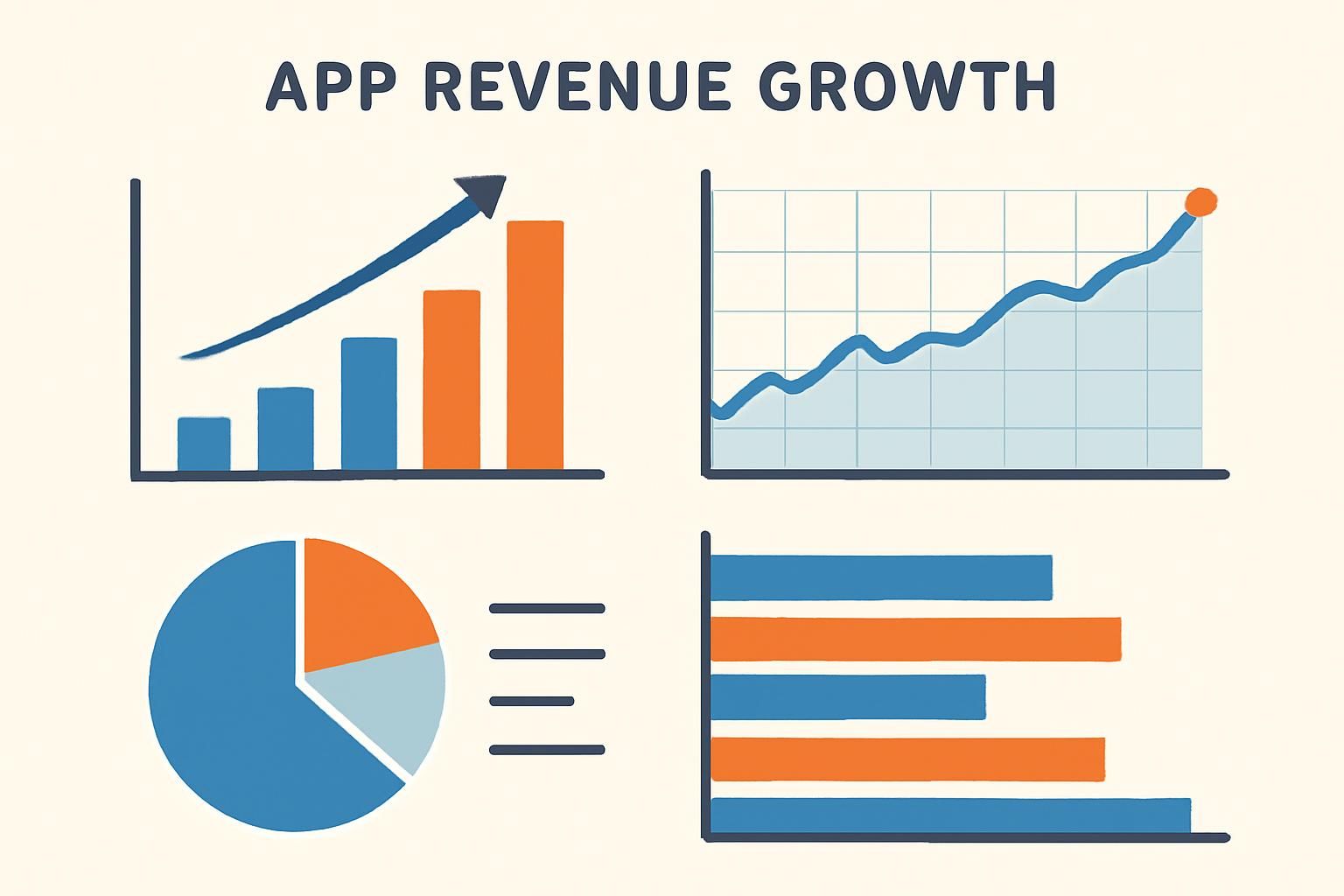
Price optimization is complex but crucial. The average app subscription price varies significantly by category. For instance, productivity apps see average monthly subscriptions pricing around $5 to $10, while niche categories like health & wellness can exceed $20.
- A/B Test Pricing: Regularly test different pricing tiers to find the optimal balance. Price elasticity can be surprising, and slight adjustments can result in substantial revenue differences.
- Localized Pricing: Implement regional pricing strategies to cater to different economic conditions, increasing accessibility and conversion rates in varied markets.
- Freemium to Premium: Consider a freemium model where core features are free, but advanced features require a subscription. This can effectively increase conversion rates by providing value upfront.
Leveraging Analytics for Growth
Analytics provide the insights needed to fine-tune subscription strategies. Using data-driven tools helps identify trends and predict subscriber behavior accurately.
Tools like data.ai offer robust analytics capabilities, providing insights into competitive pricing and subscriber demographics. For instance, understanding the average lifetime value of a subscriber can help forecast revenue and allocate marketing budgets more efficiently.
Monitor metrics such as Customer Acquisition Cost (CAC) and Customer Lifetime Value (CLV). Ensure your CLV exceeds your CAC to maintain profitability. Additionally, track churn rates closely—reducing churn by just 1% can increase your bottom line by 10% over the year.
The 2026 Takeaway
As we move toward 2026, the focus on app subscription revenue will only intensify. Subscription models provide predictable revenue streams and higher customer lifetime value compared to one-time purchases. To maintain a competitive edge, continuously refine your subscription funnel, optimize pricing, and leverage data analytics.
With the right strategies, iOS developers can maximize subscription revenue, turning their apps into sustainable, long-term businesses. Data-driven insights will be the cornerstone of successful monetization tactics in this rapidly evolving landscape.