Optimize App Onboarding to Boost Retention by 2026
Harness effective onboarding strategies and tools like Singular to enhance app retention rates and drive sustainable growth by 2026.
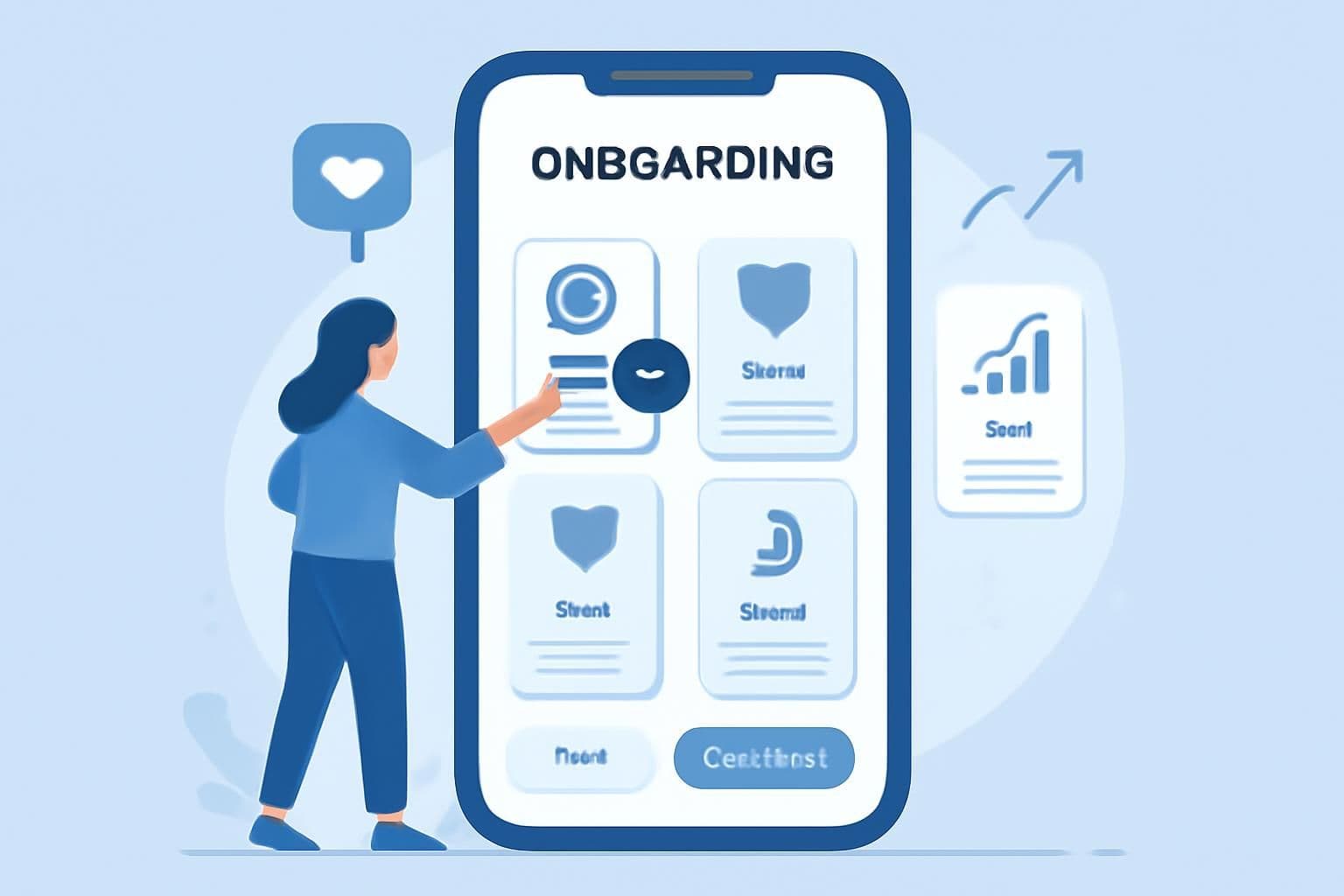
The correlation between effective onboarding and higher retention is well-documented but often under-executed. As app competition intensifies, the need for a streamlined onboarding process to capture and keep users has never been more critical.
Understanding the onboarding-retention connection
Onboarding is your first opportunity to demonstrate value to users. According to data from App Annie, apps that implement a structured onboarding process see a 50% increase in user retention over the first month. This underscores the importance of not only acquiring users but also ensuring they stay long enough to realize the app's value.
The onboarding process should highlight key features and guide users towards their first 'aha moment'—a milestone where they understand the app's value proposition. This is crucial for improving Day 1 and Day 7 retention rates, which are benchmarks for predicting long-term engagement.
Leveraging data for personalized onboarding
Data integration tools like Singular can play a transformative role in this process by providing insights into user behavior during onboarding. By analyzing this data, you can tailor the onboarding experience to different user segments, ensuring that each user receives content and prompts that resonate with their needs and expectations.
Personalization can be executed through a few key strategies:
- Segmentation: Divide users into cohorts based on their behavior and preferences.
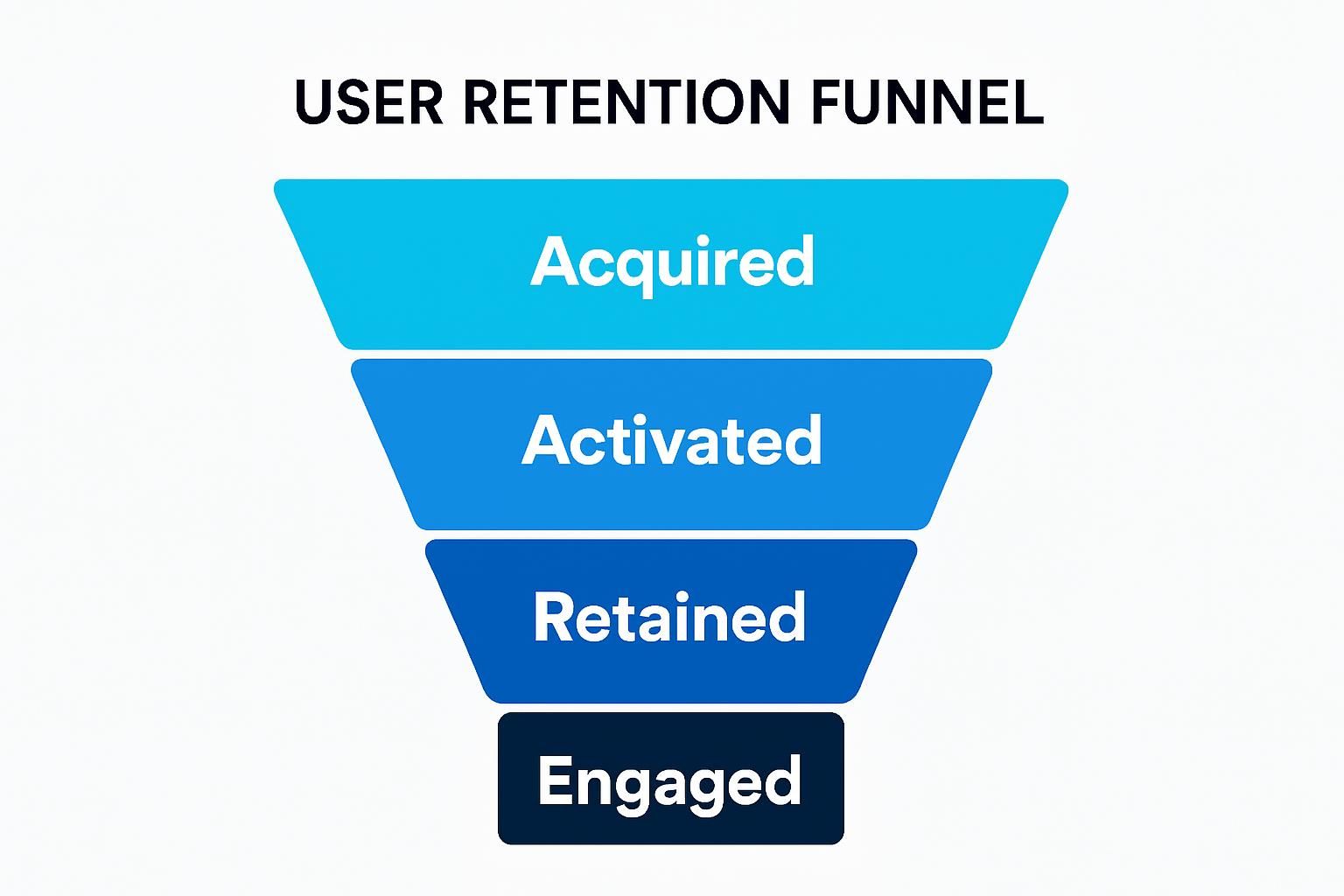
- Dynamic Content: Use behavior-triggered messages to guide users through their journey.
- Feedback Loops: Integrate mechanisms for real-time feedback to refine onboarding continuously.
These strategies not only improve user experience but also significantly boost retention by ensuring users quickly find personal relevance in your app.
Testing and iterating onboarding processes
Introducing a feedback loop into your onboarding process is essential for continuous improvement. Tools such as A/B testing platforms can help you refine onboarding steps to optimize user engagement. For instance, tweaking the order of onboarding screens or the messaging used can lead to substantial differences in retention.
Applying iterative testing methodologies allows you to discover what works best for different user segments. Aim to test small changes systematically to gather actionable insights. These insights should feed back into your onboarding design, creating a cycle of continuous improvement.
The 2026 takeaway
By 2026, successful apps will have perfected the art of onboarding as a key retention strategy. Utilizing tools like Singular for data analysis and feedback loops will be standard practice, enabling a personalized and dynamic user experience. By focusing on these strategies, you'll not only improve immediate retention but also lay the groundwork for sustained app growth.